Pop Art
By breaking down the barrier between art and commerce, Pop Art became a cultural revolution – and an essential chapter in Schellmann Art’s history as we worked closely with some of the movement’s most iconic figures: Andy Warhol, Keith Haring, and Richard Hamilton. These artists blurred the boundaries between high art and popular culture and created a number of landmark editions. With bold imagery, graphic clarity, and cultural commentary, these works continue to resonate far beyond their time.
Sort & Filter
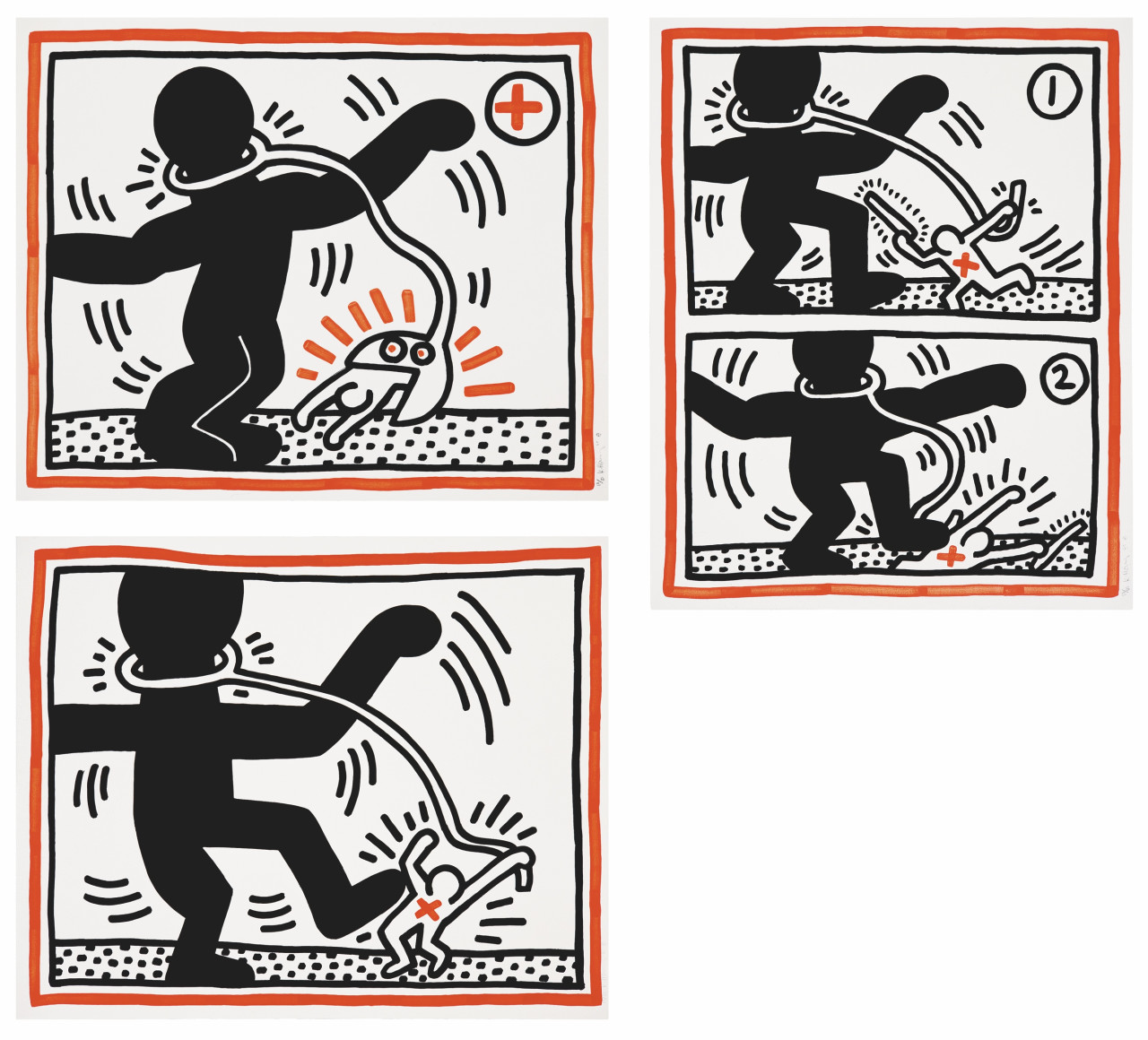
Keith Haring
Untitled (Free South Africa), 1985
Send request
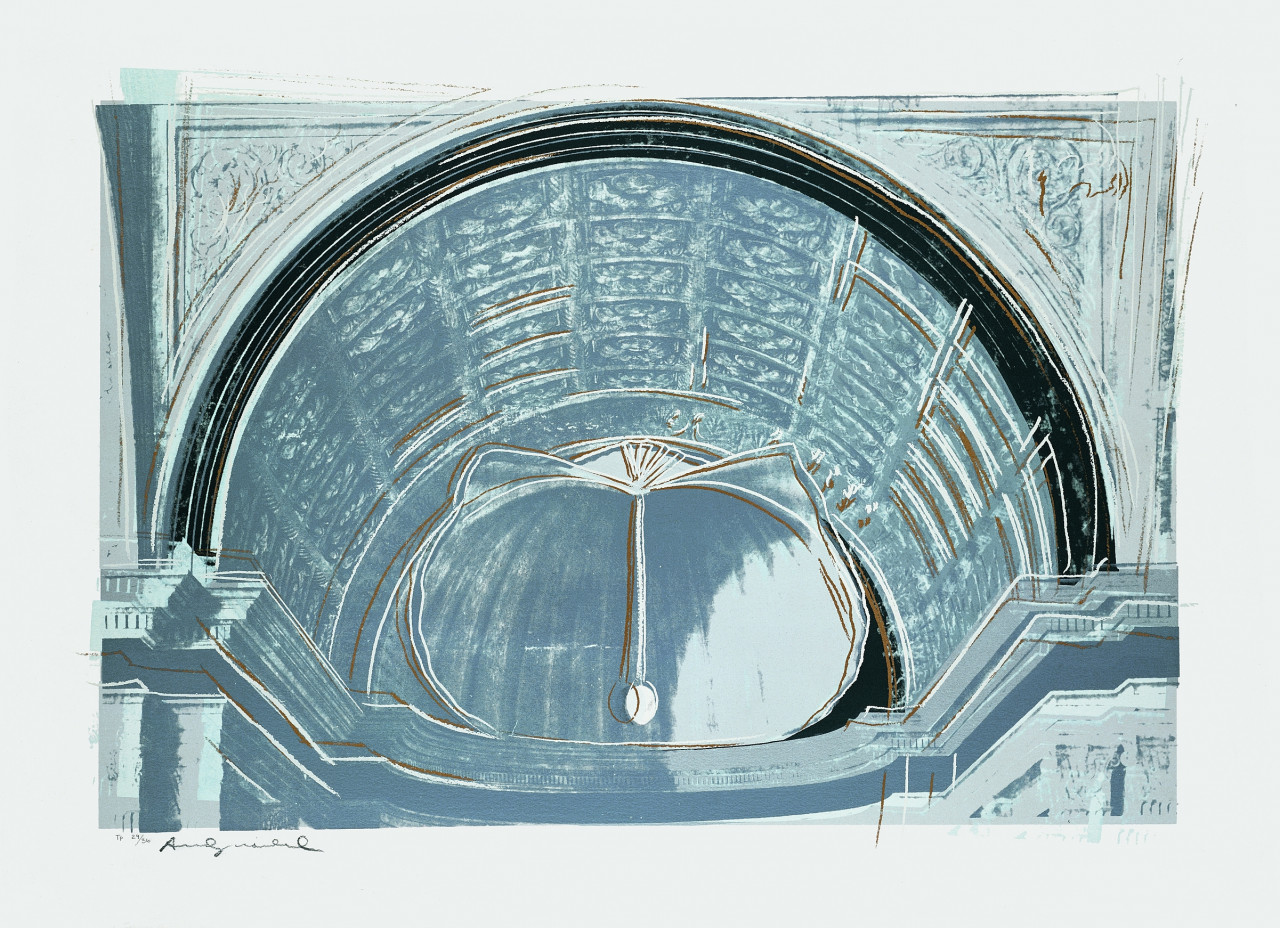
Andy Warhol
Piero della Francesca, Madonna del Duca da Montefeltro, circa 1472, 1984
Send request
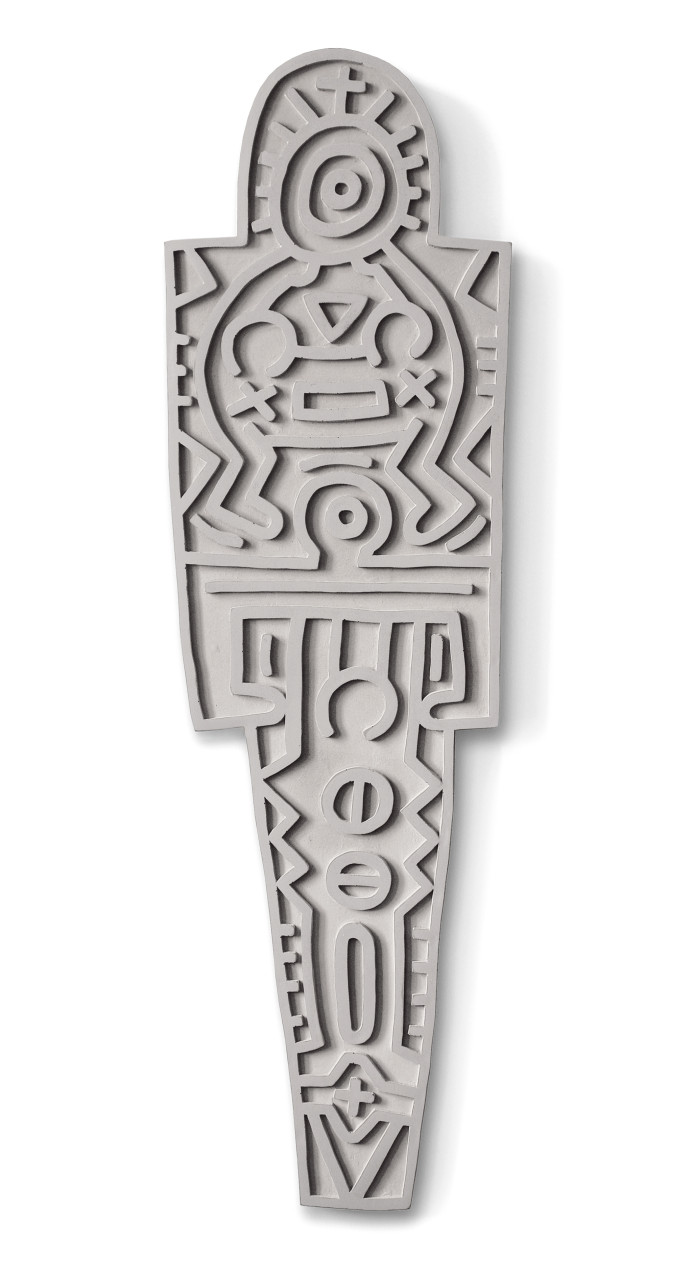
Keith Haring
Totem [concrete], 1988/1989
Send request

Andy Warhol
Neuschwanstein, 1987
Send request
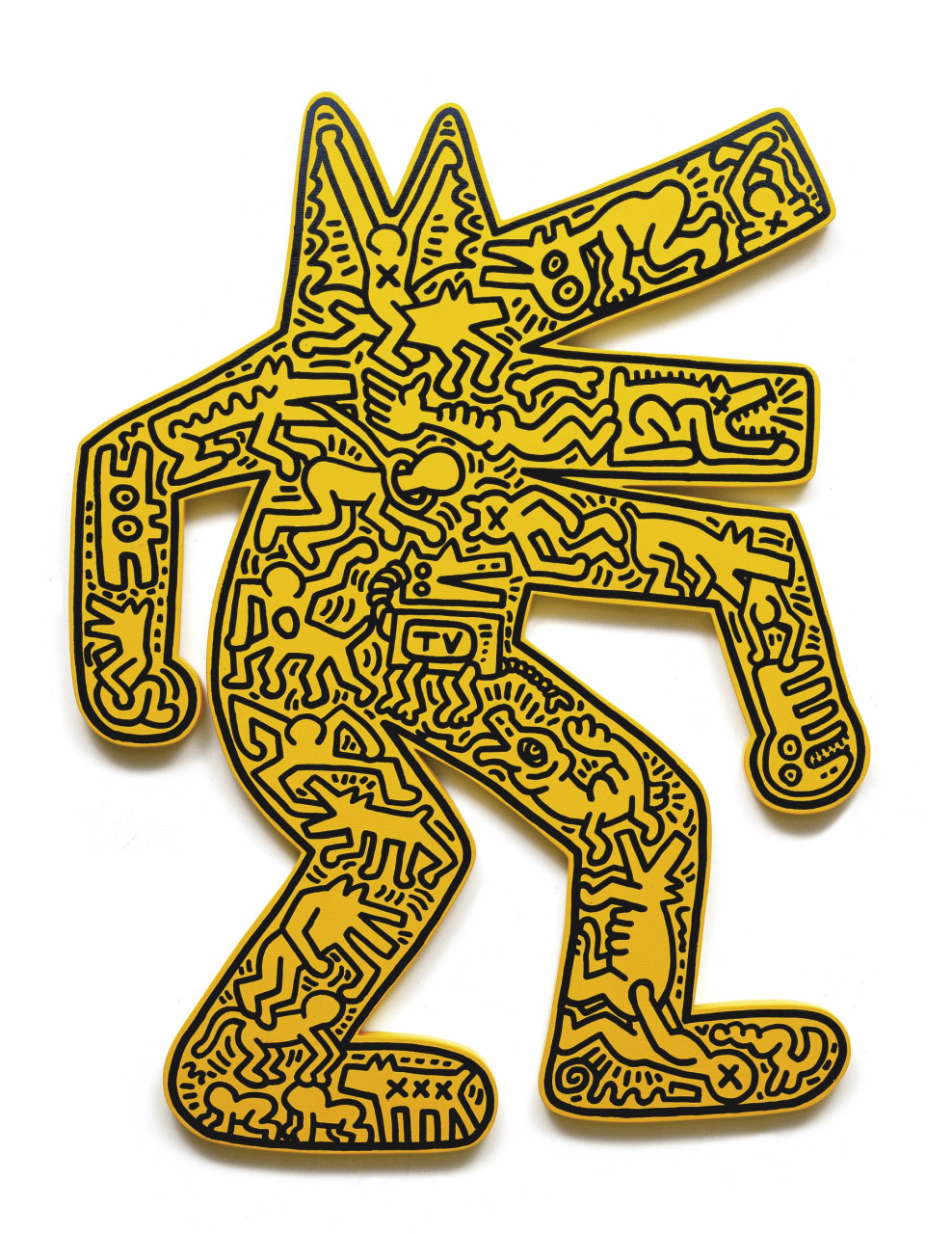
Keith Haring
Dog, 1986
Send request
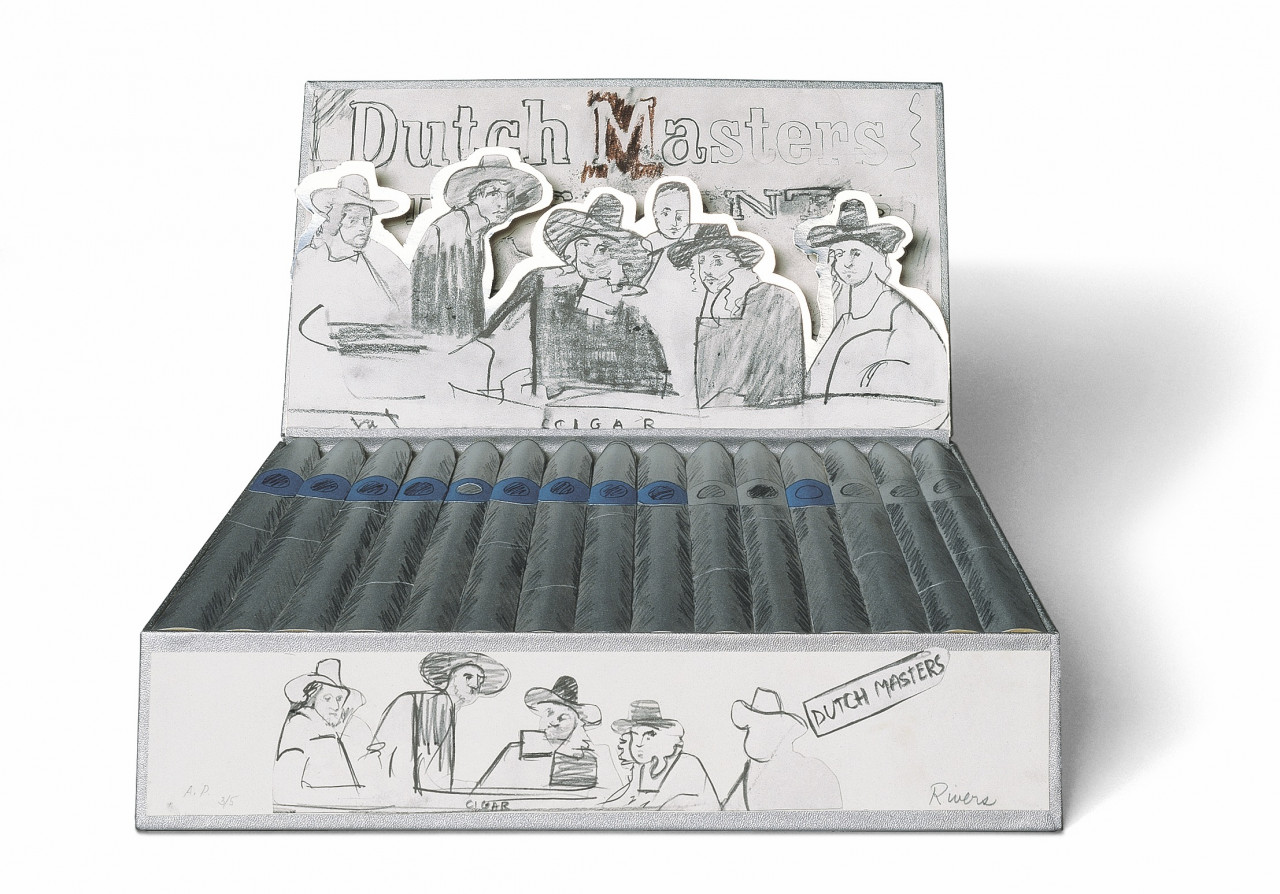
Larry Rivers
Dutch Masters Cigar Box, 1970
Join waitlist
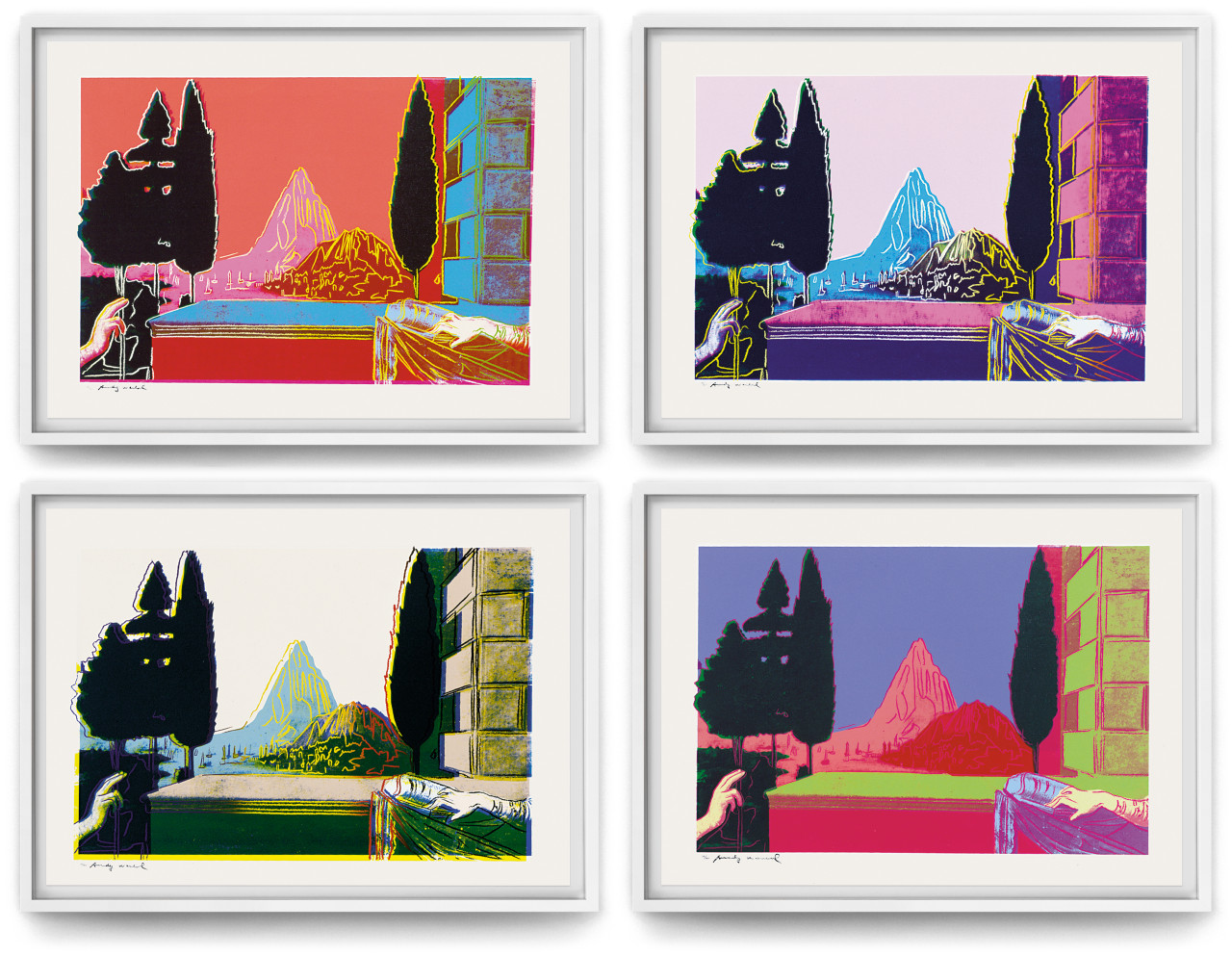
Andy Warhol
Leonardo da Vinci, The Annunciation, 1472, 1984
Send request
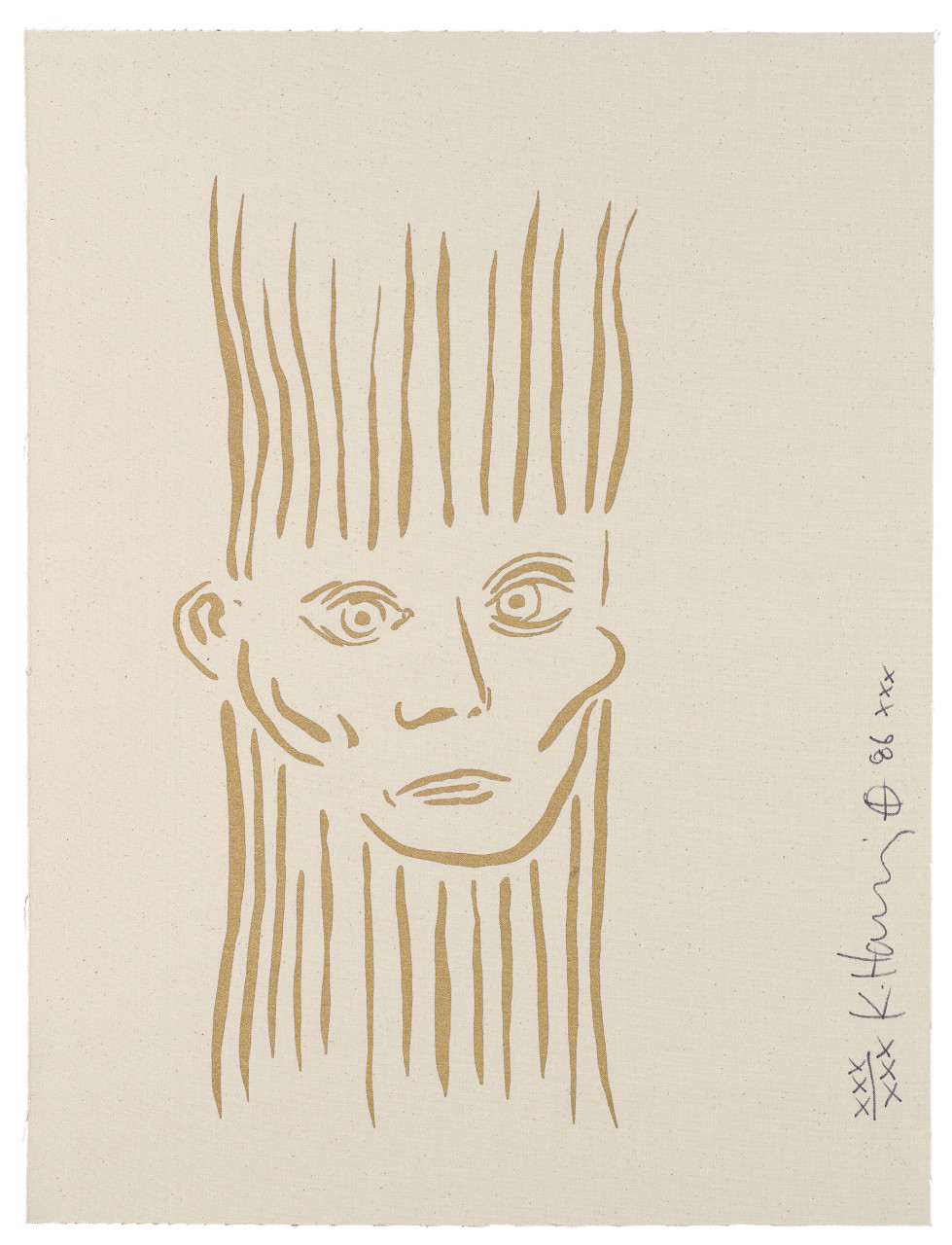
Keith Haring
Portrait of Joseph Beuys, 1986
Send request
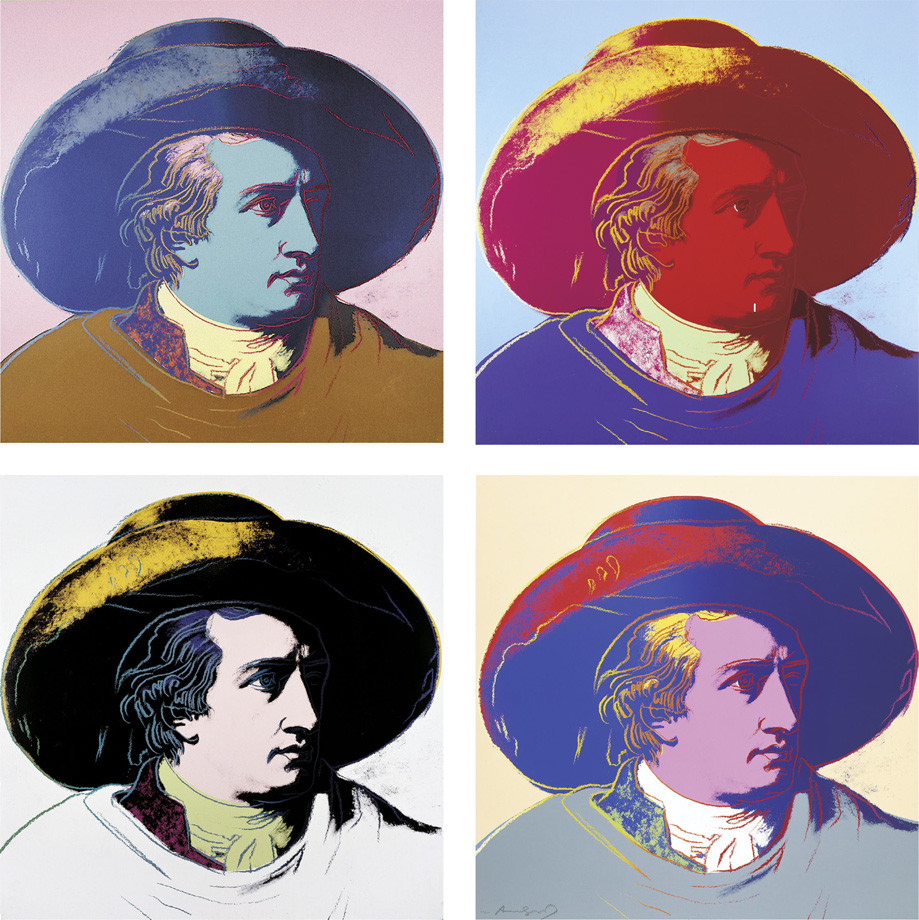
Andy Warhol
Goethe, 1982
Send request
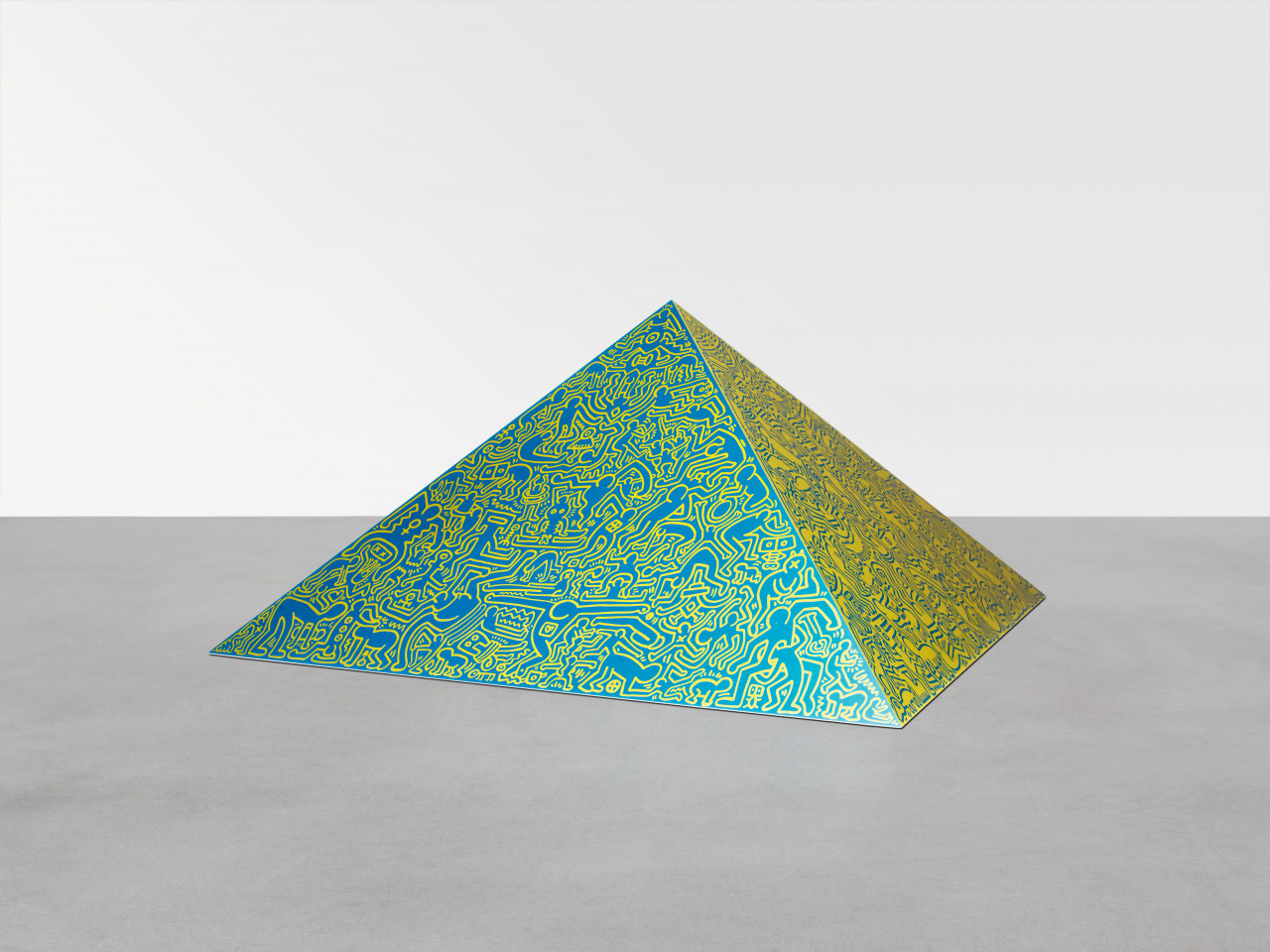
Keith Haring
Pyramid Sculpture, 1989
Join waitlist
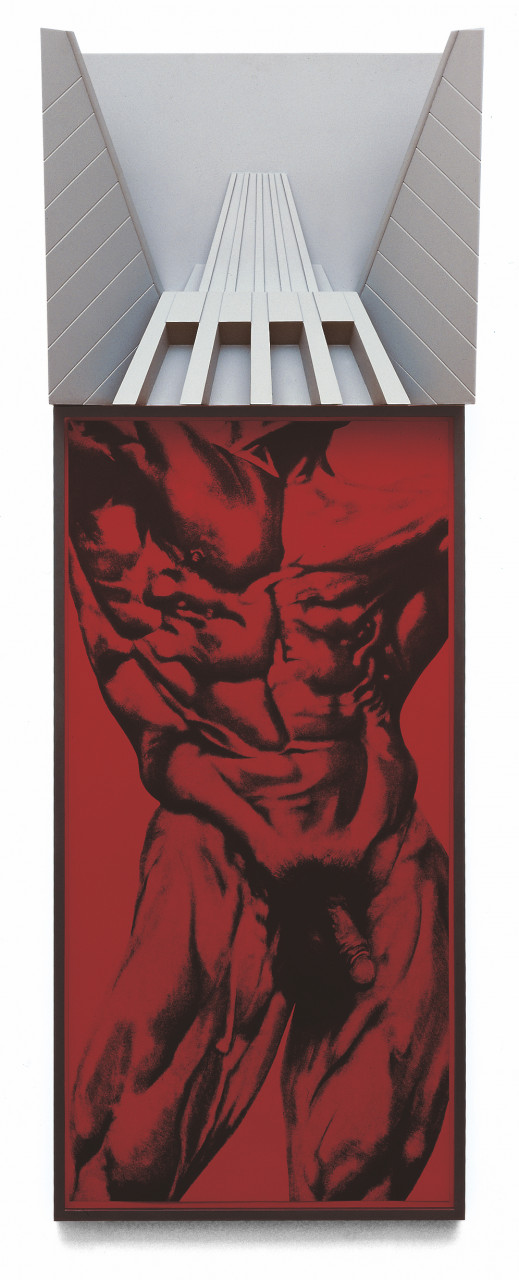
Robert Longo
Government, 1983
Send request
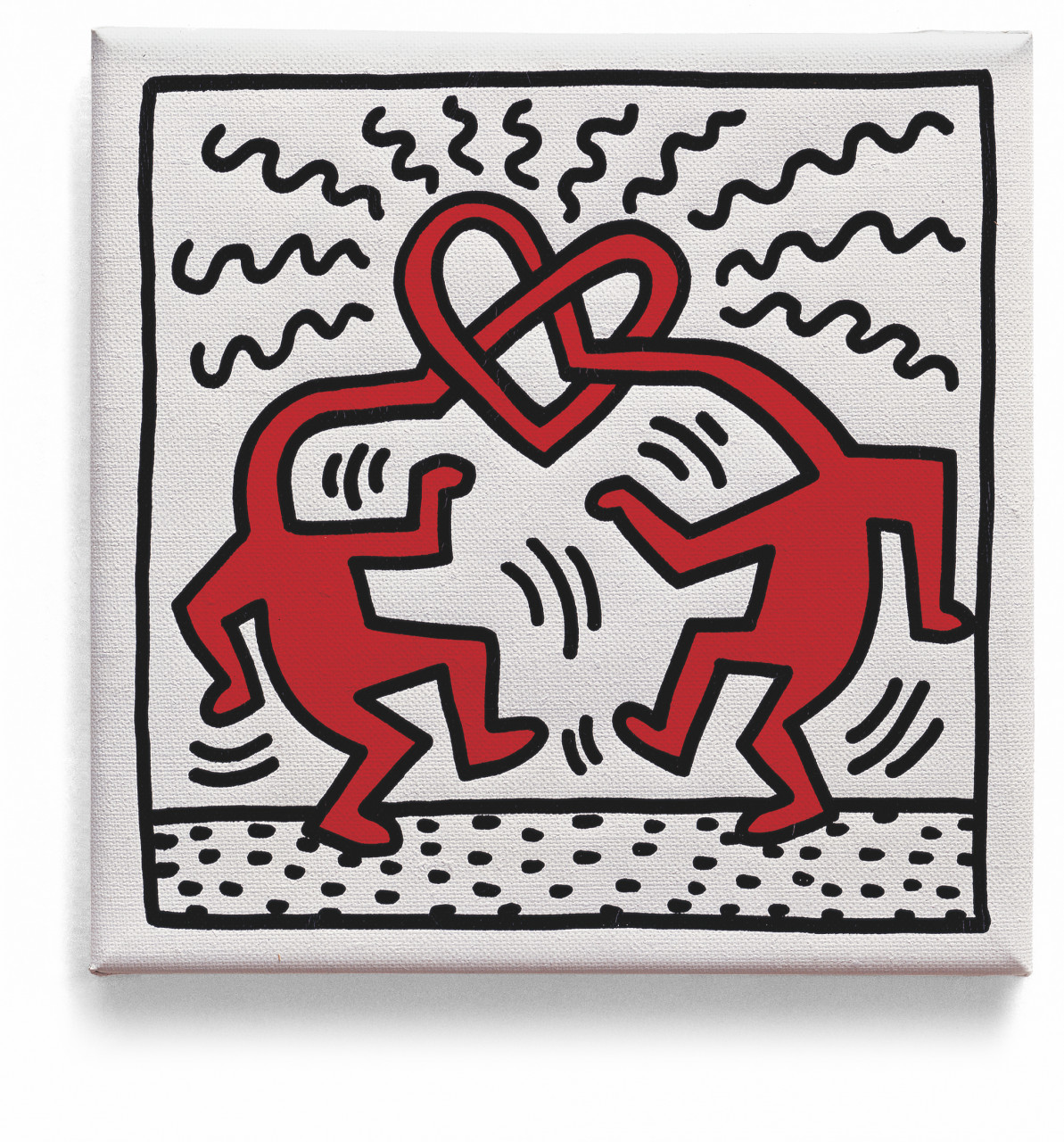
Keith Haring
Untitled (Love), 1989
Join waitlist
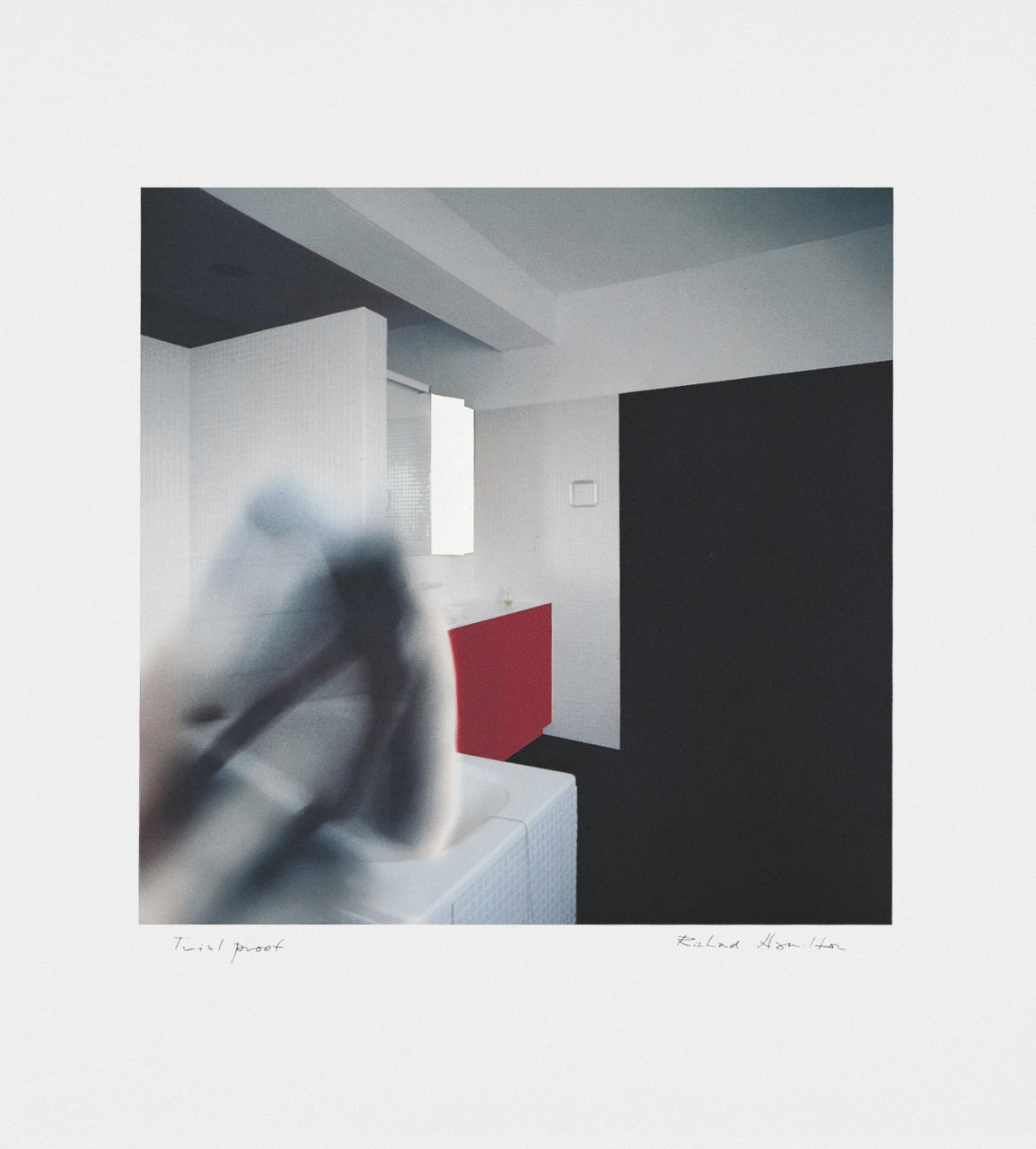
Richard Hamilton
Bathroom - fig. 1, 1997
EUR 3,500
Direct checkout
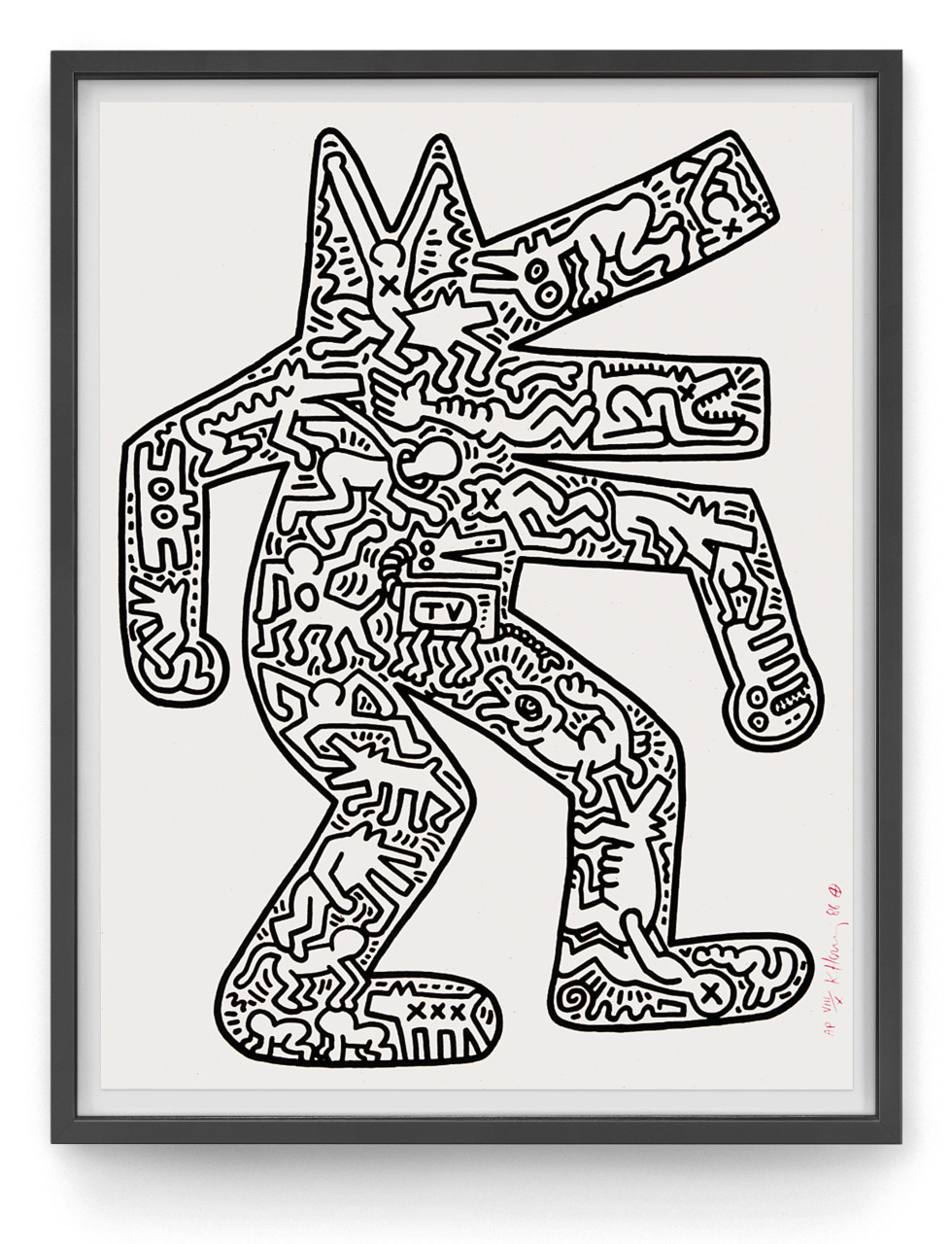
Keith Haring
Dog [print], 1986/1987
Send request
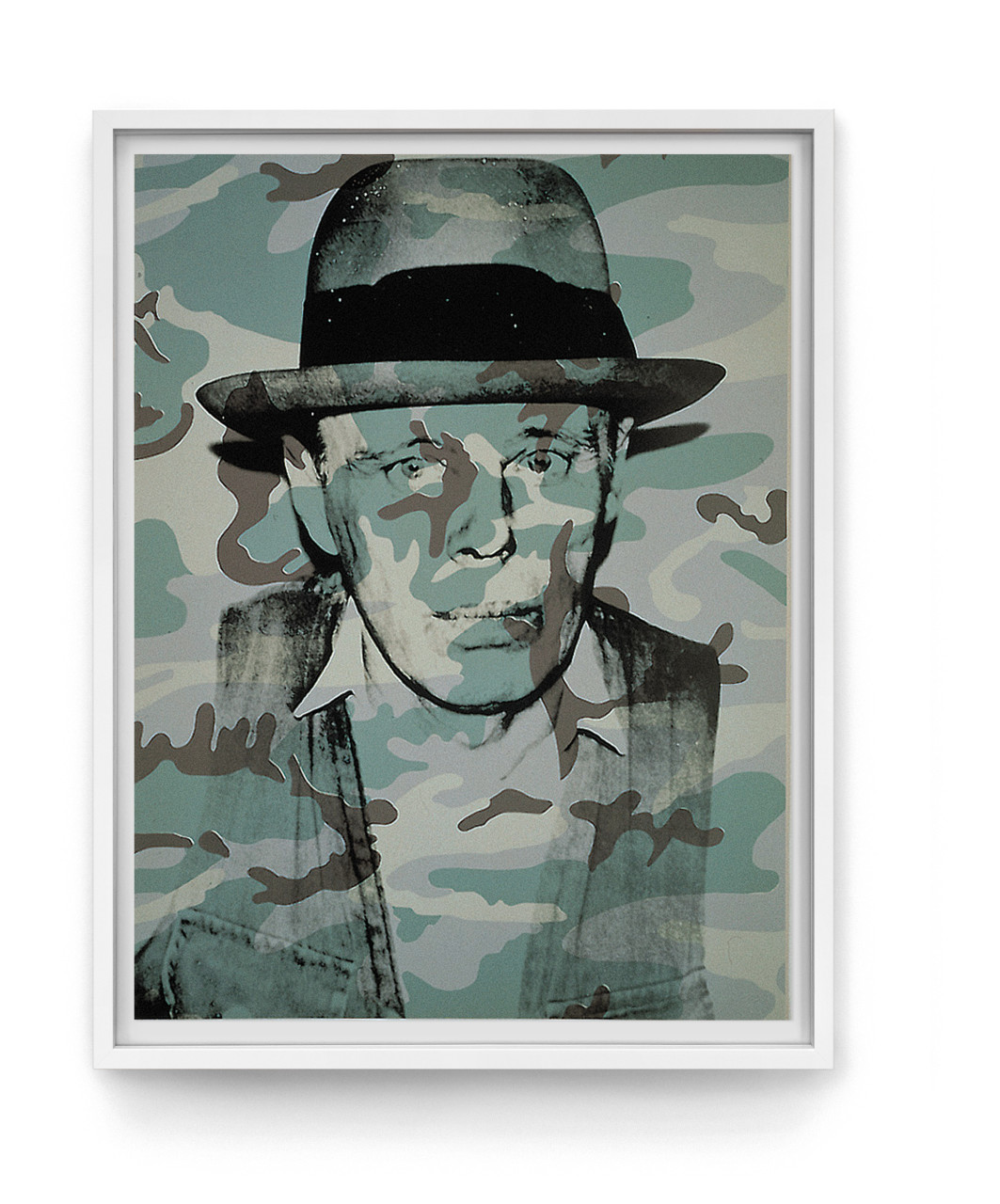
Andy Warhol
Joseph Beuys in Memoriam, 1986
Send request
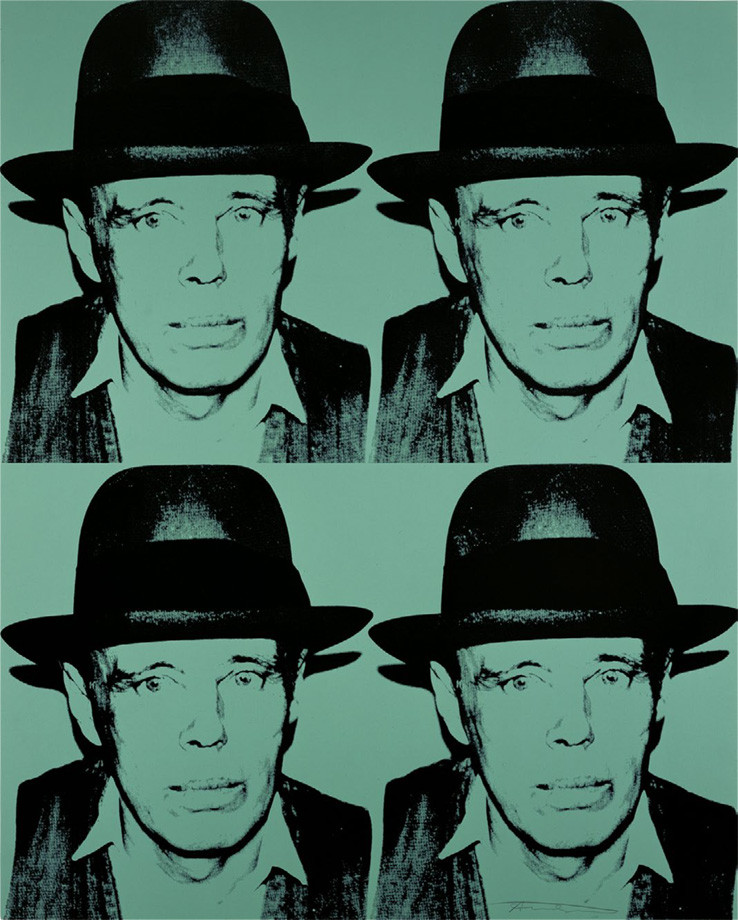
Andy Warhol
Joseph Beuys, 1980-1983
Send request
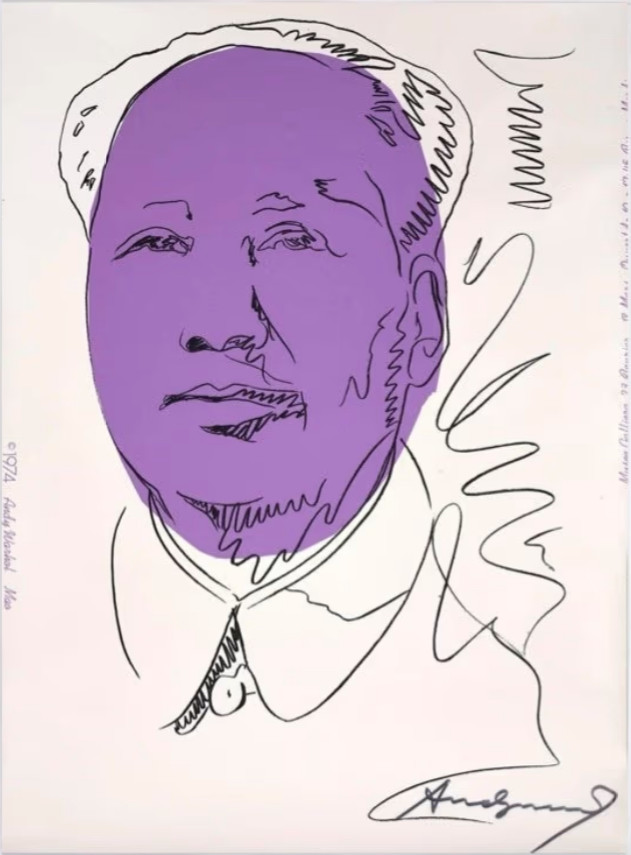
Andy Warhol
Mao, 1974
Send request
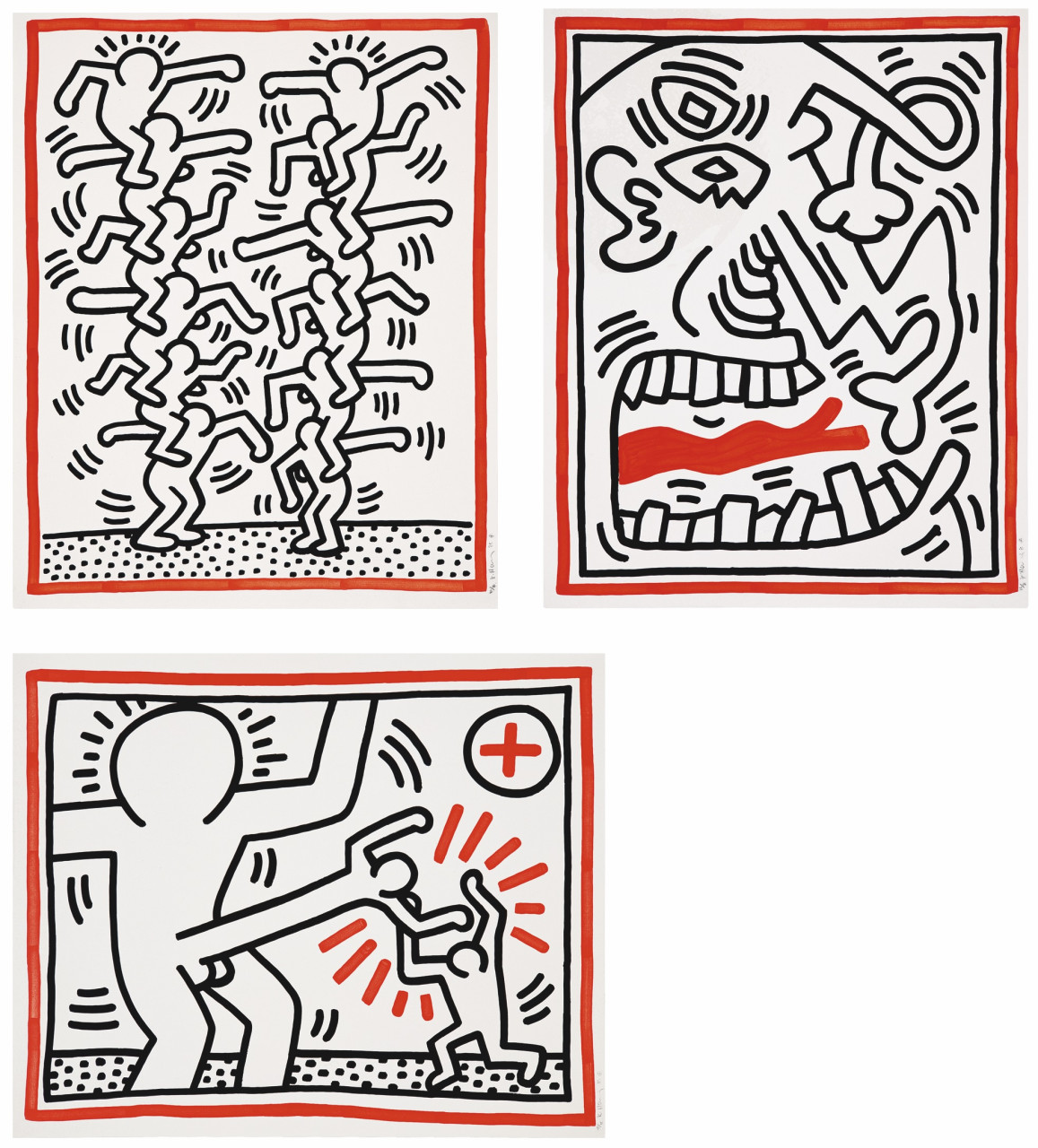
Keith Haring
Untitled, 1985
Join waitlist
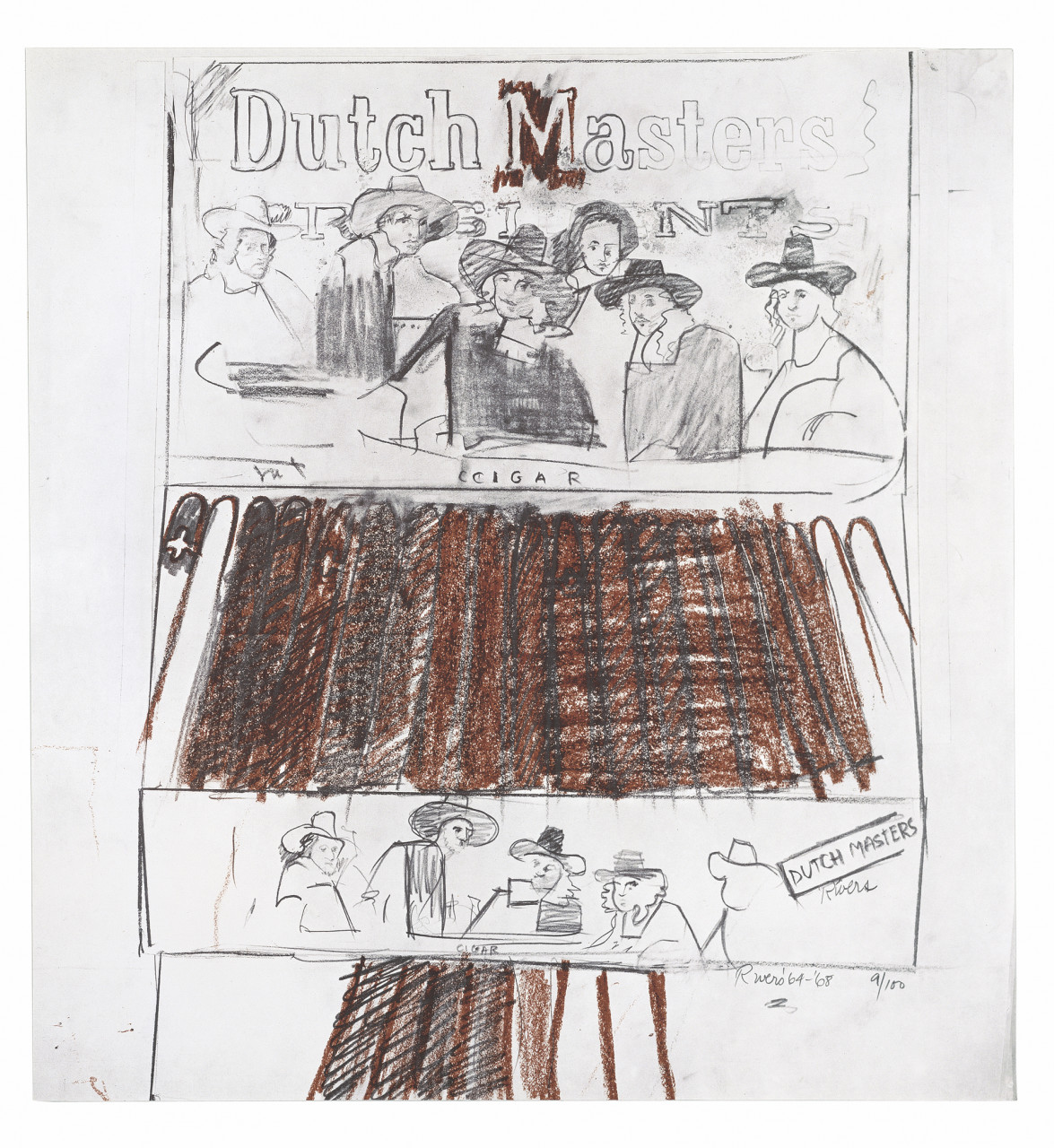
Larry Rivers
Dutch Masters, 1968
Send request
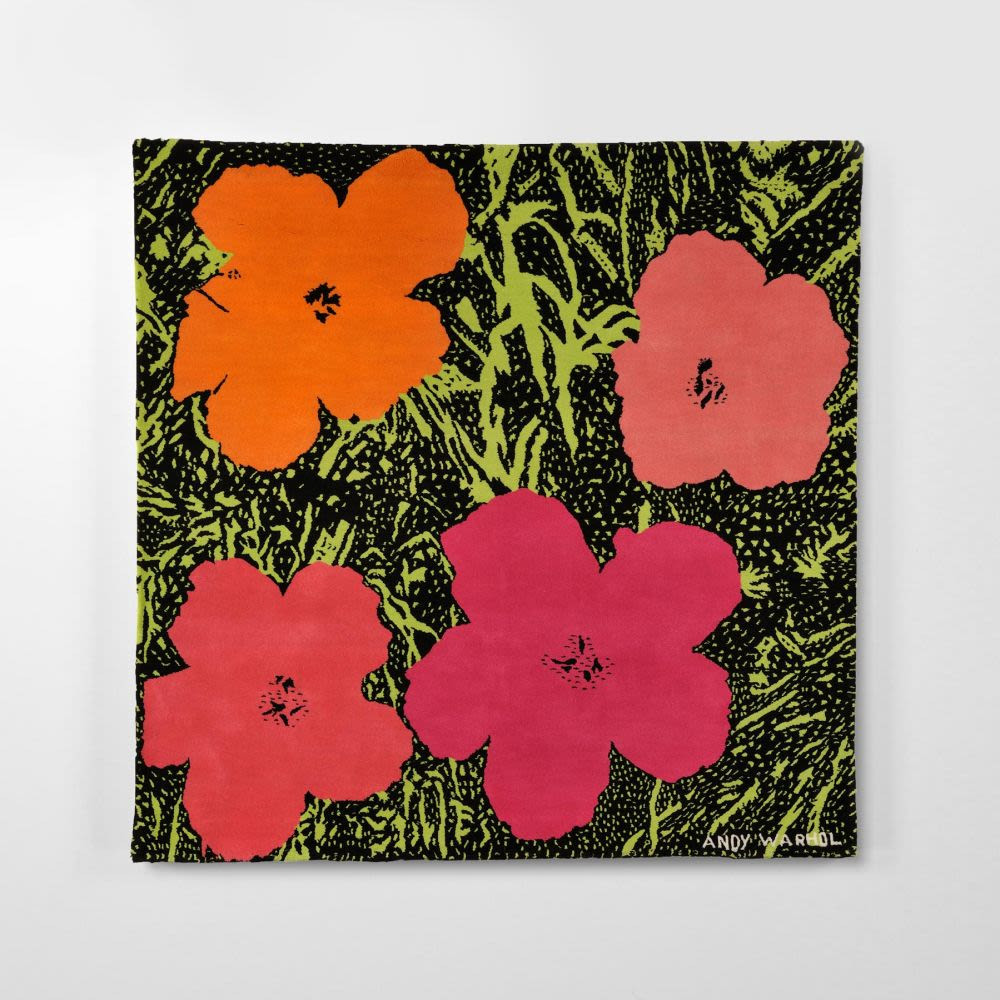
Andy Warhol
Flowers, 1968/1980
Send request
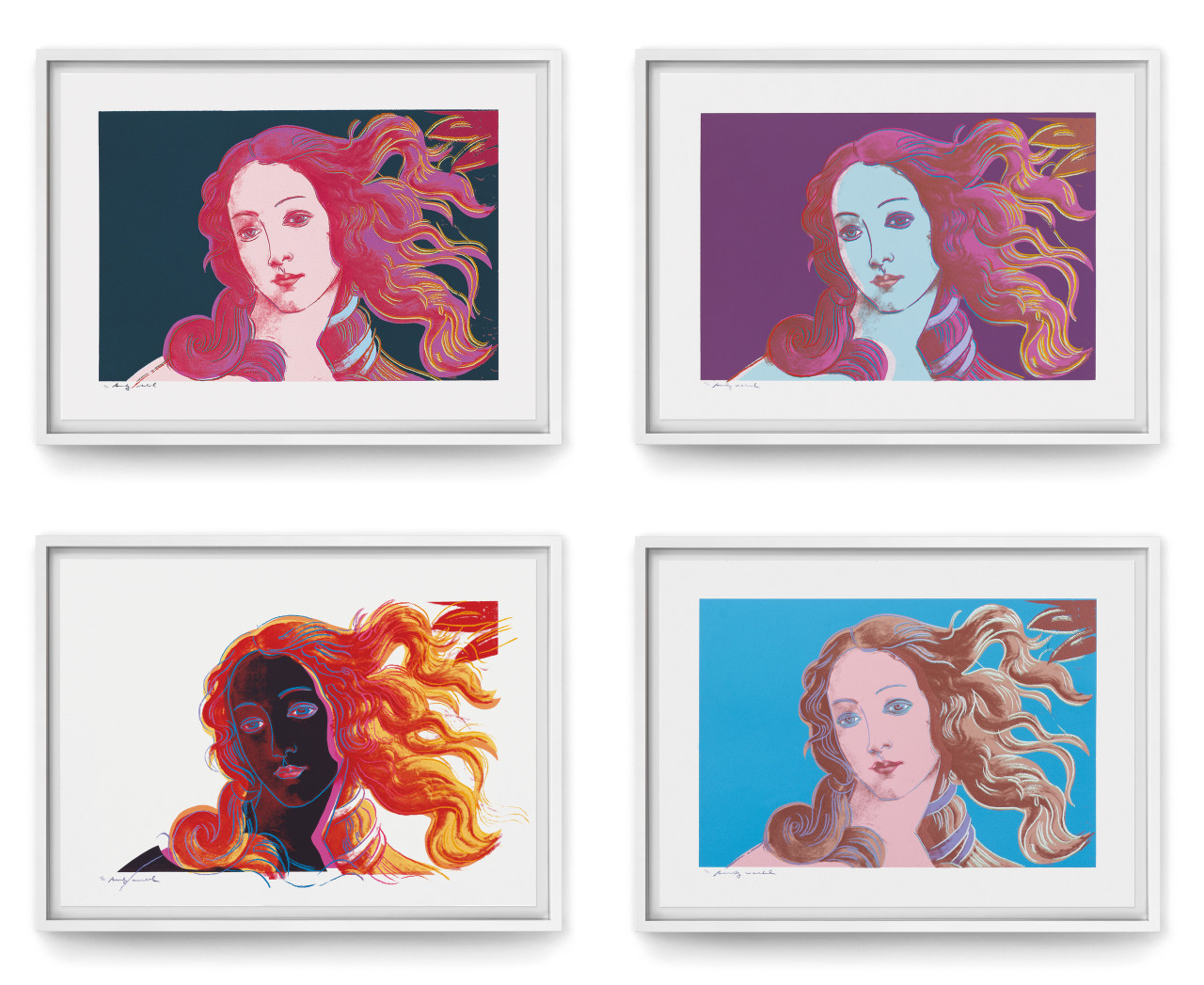
Andy Warhol
Sandro Botticelli, Birth of Venus, 1482, 1984
Send request
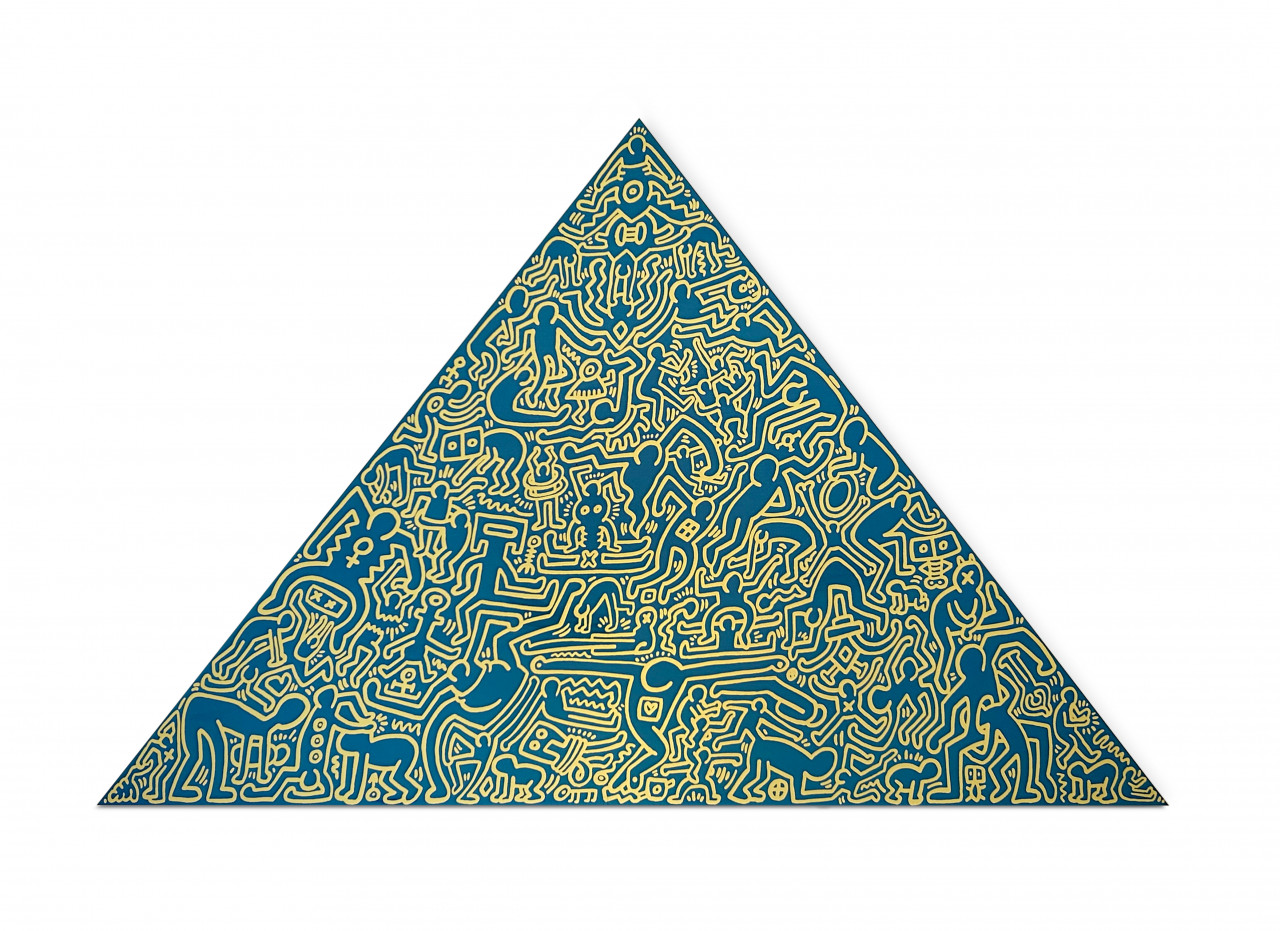
Keith Haring
Pyramid, 1989
Send request
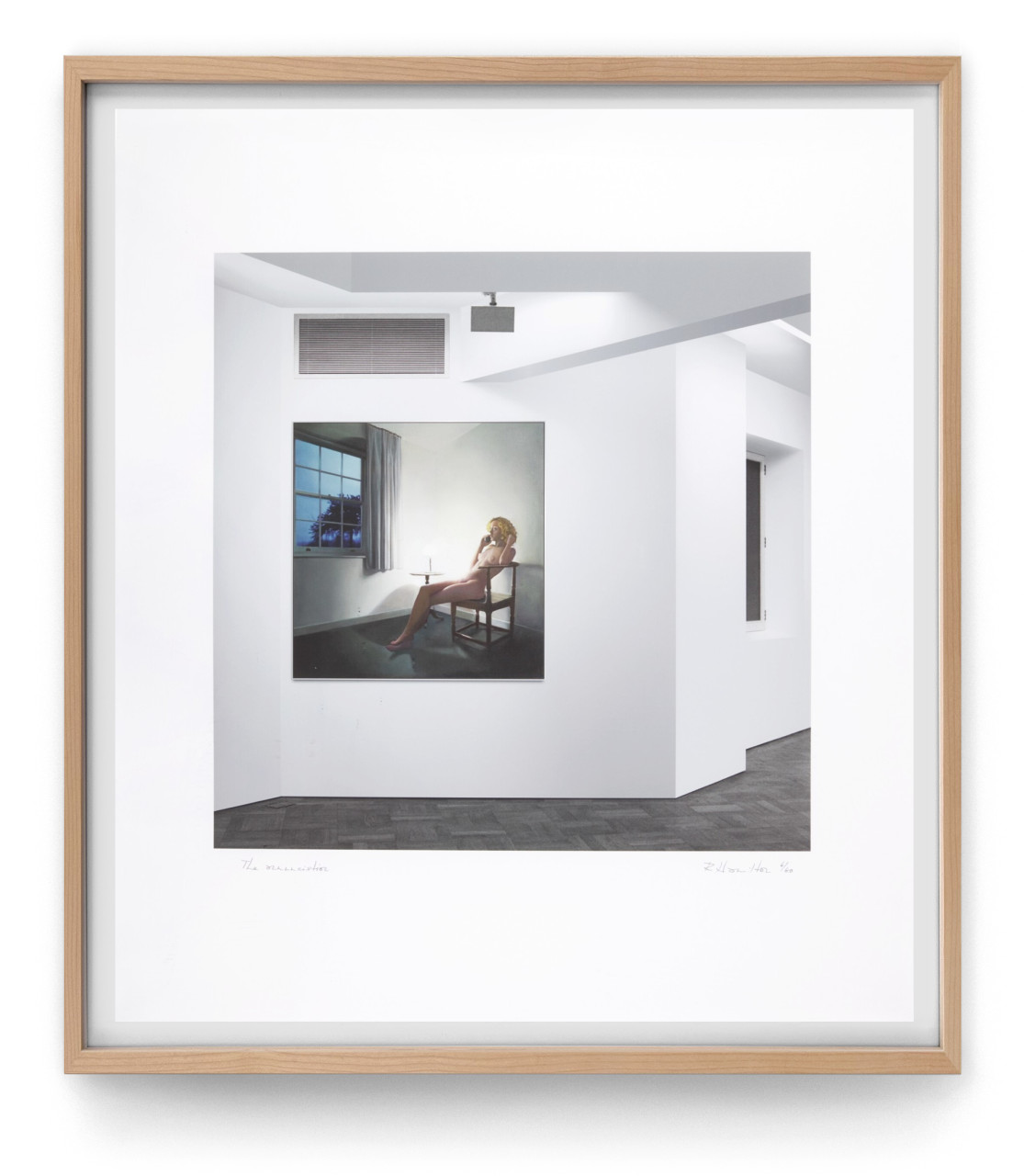
Richard Hamilton
The Annunciation, 2005
Send request
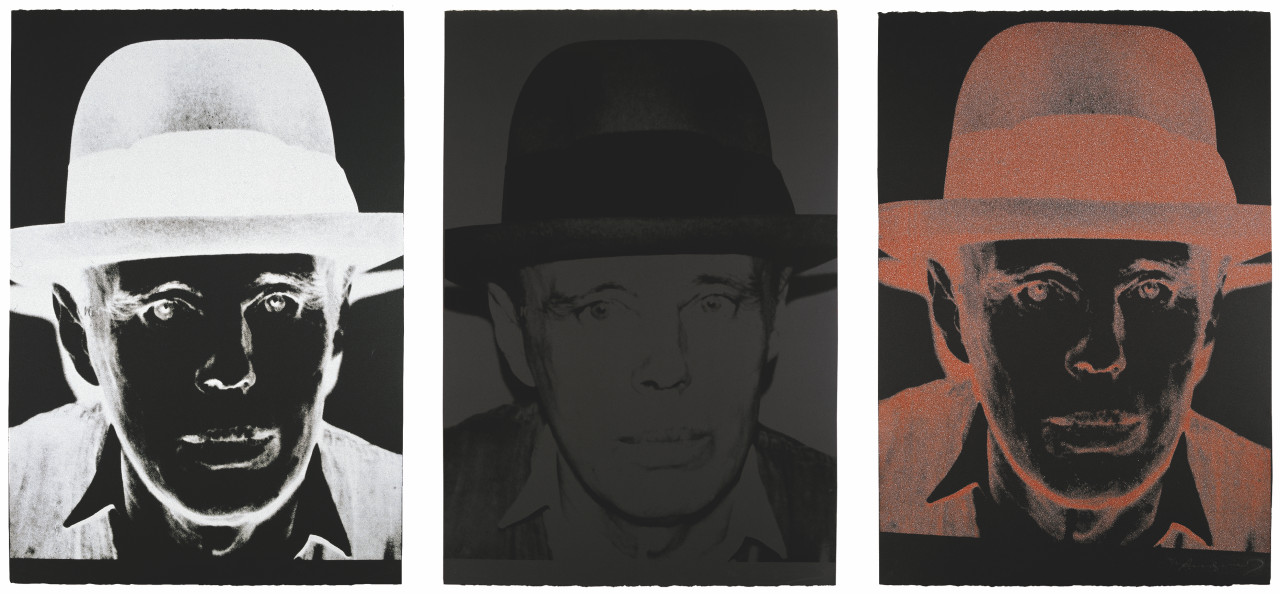
Andy Warhol
Joseph Beuys, 1980
Send request
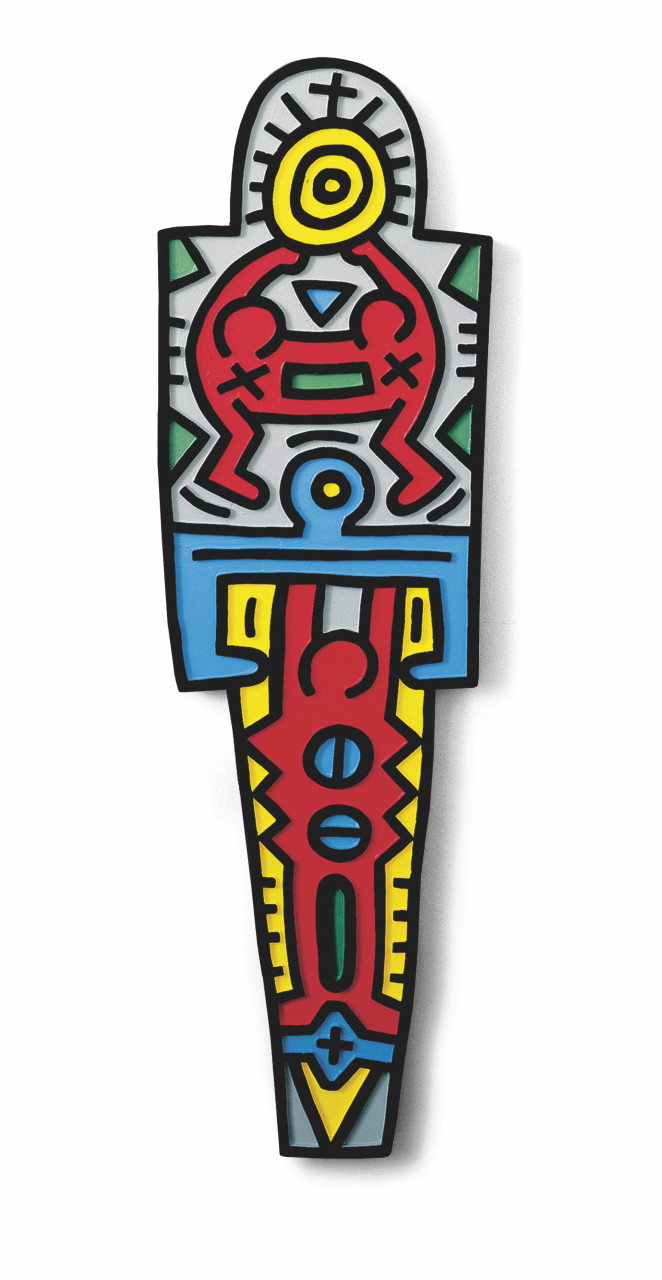
Keith Haring
Totem [wood], 1988/1989
Send request
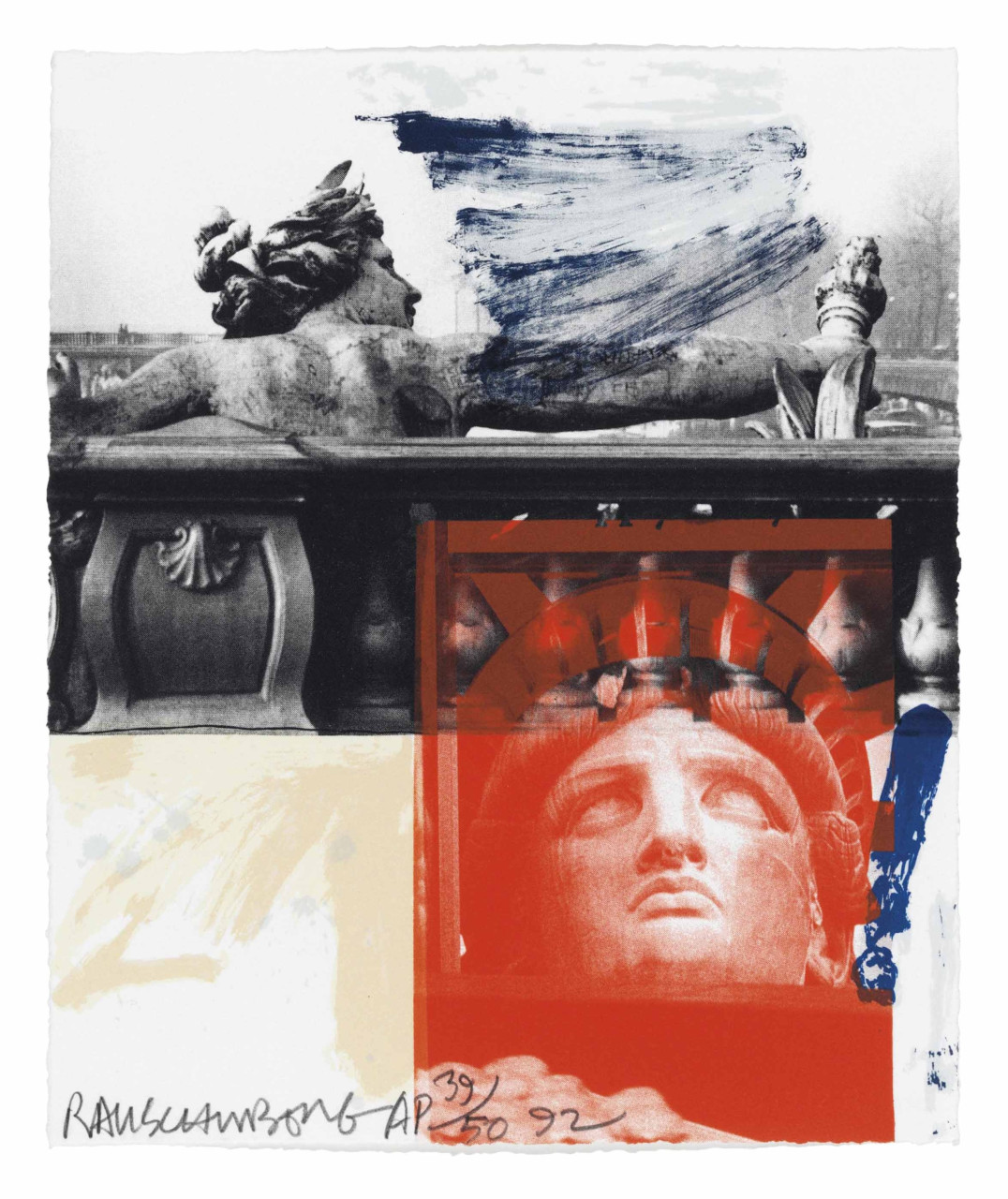
Robert Rauschenberg
For Ferraro, 1992
EUR 4,500
Send request
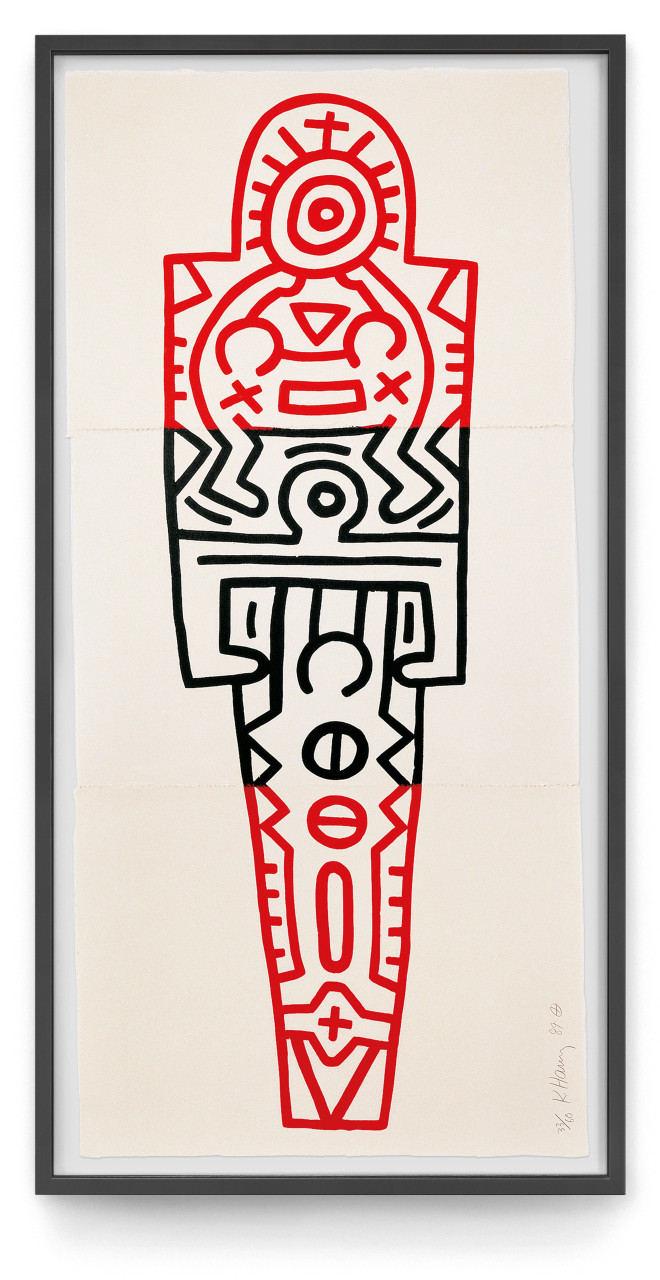
Keith Haring
Totem, 1989
Send request
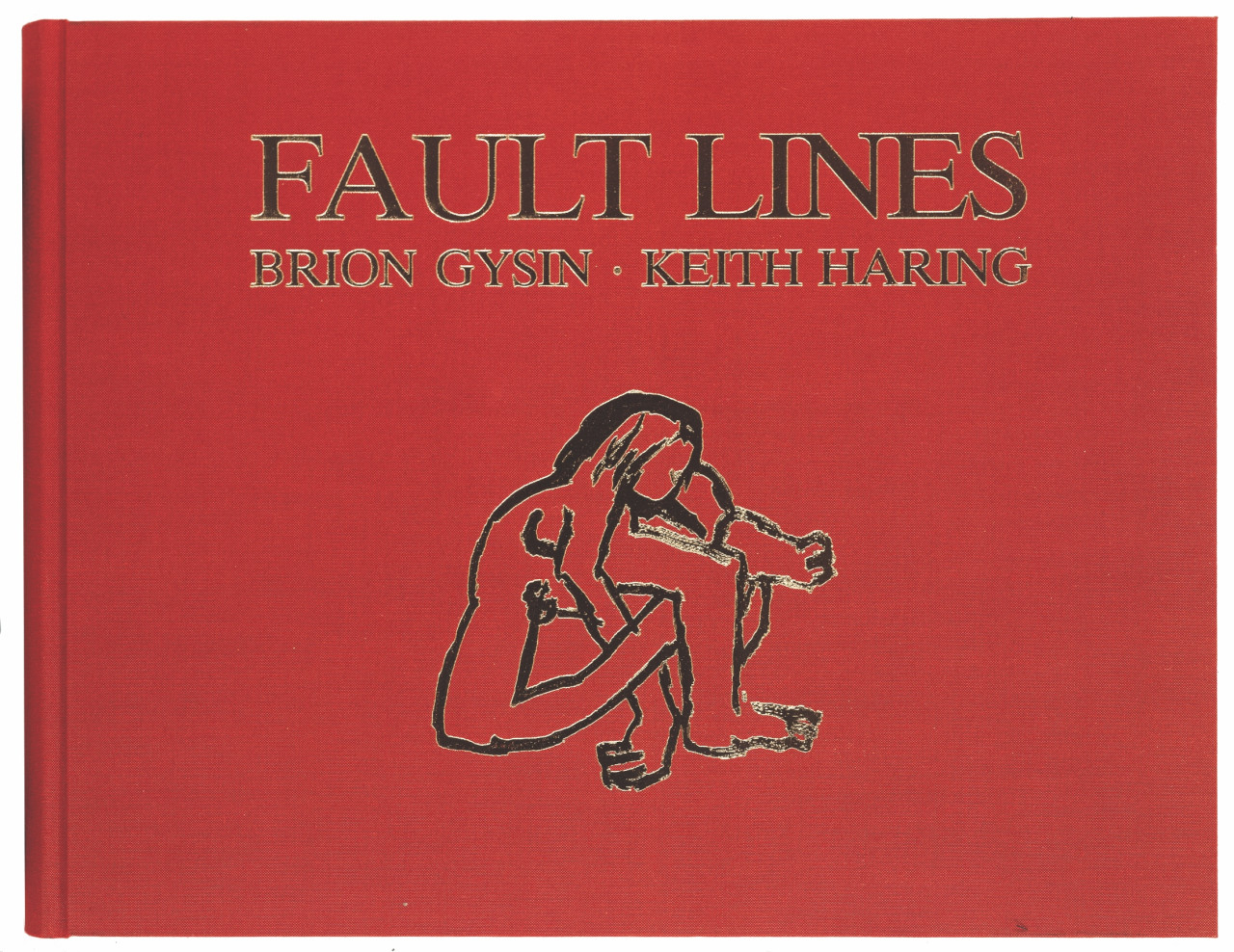
Keith Haring
Fault Lines, 1986
Send request
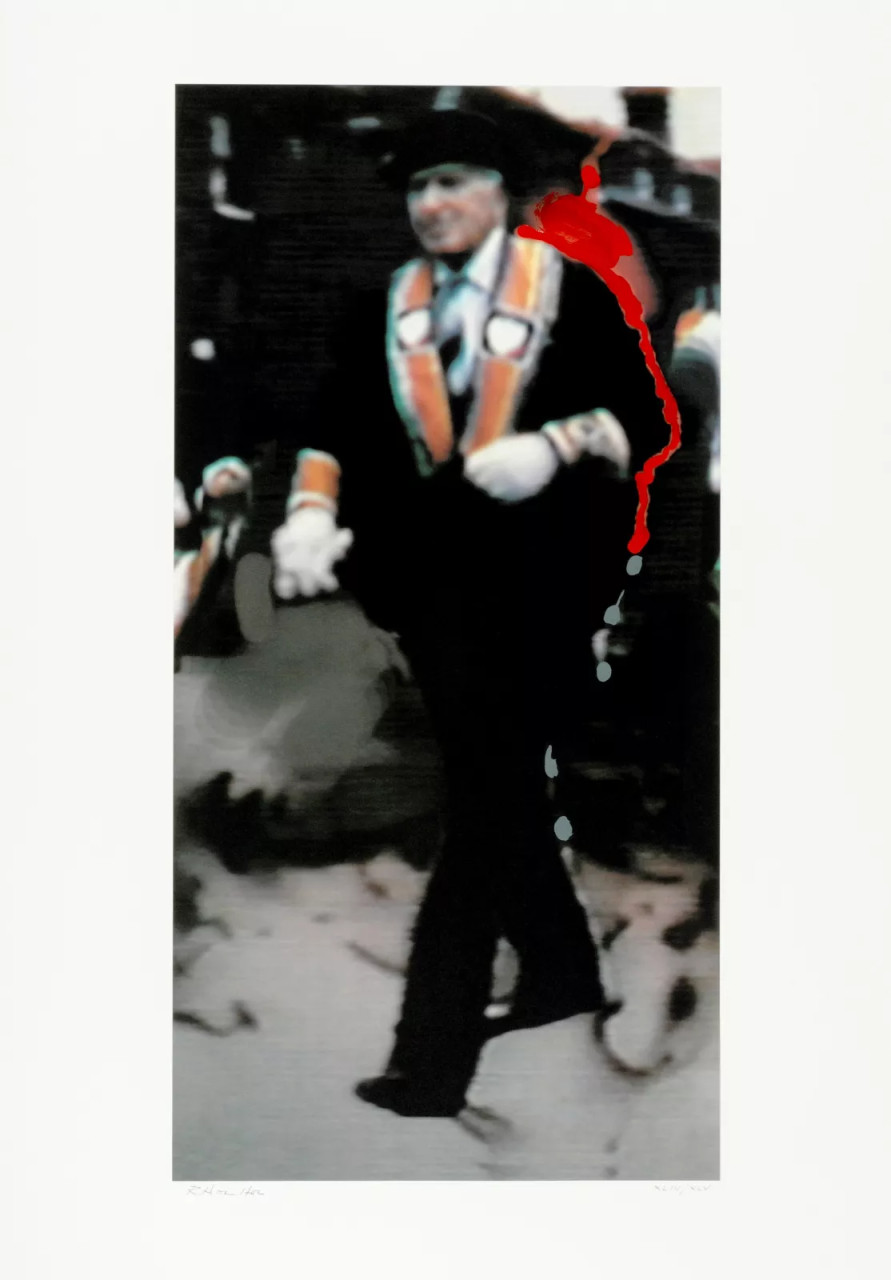
Richard Hamilton
The Orangeman, 1990
EUR 7,500
Send request
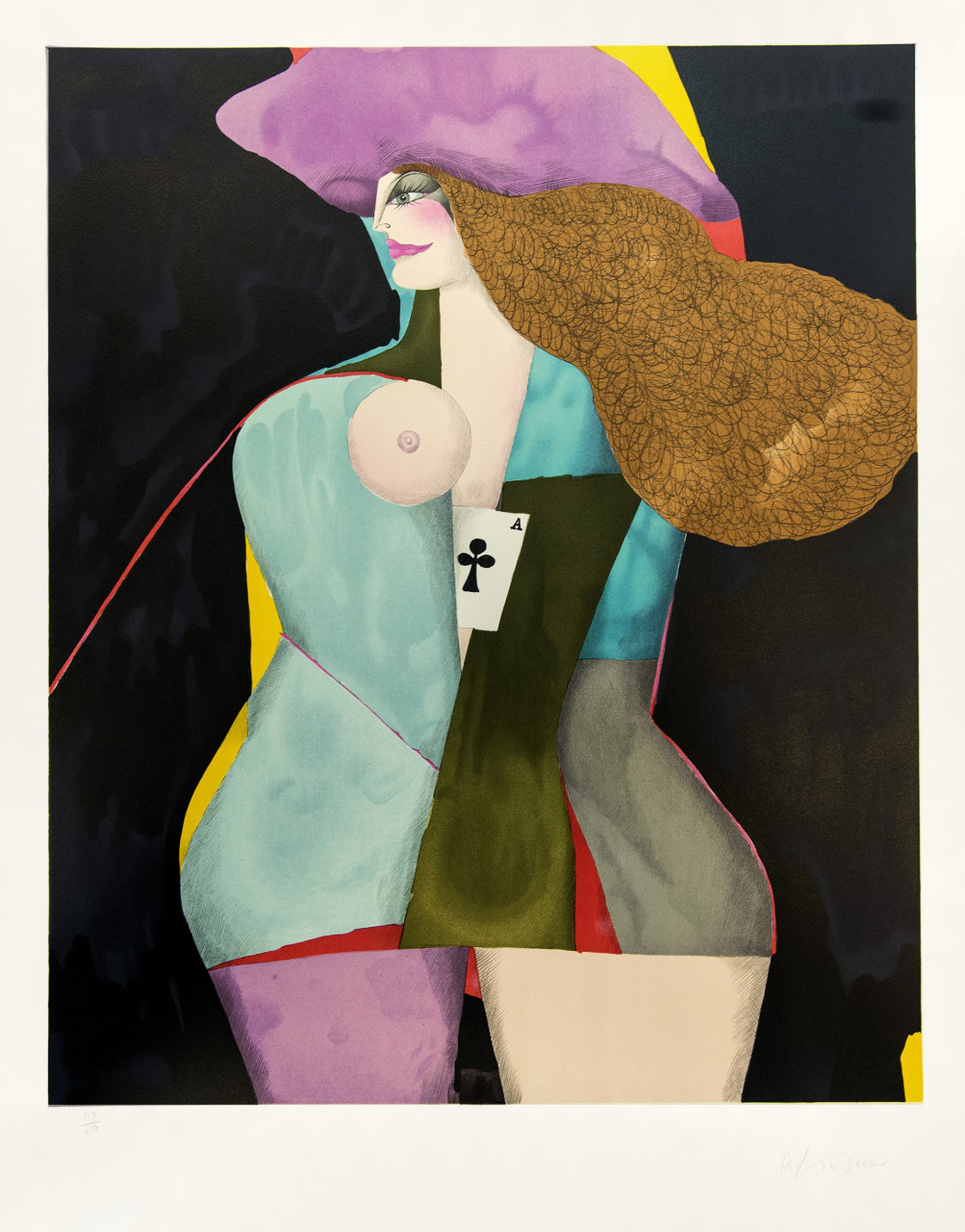
Richard Lindner
Ace of Clubs, 1977
EUR 2,400
Send request
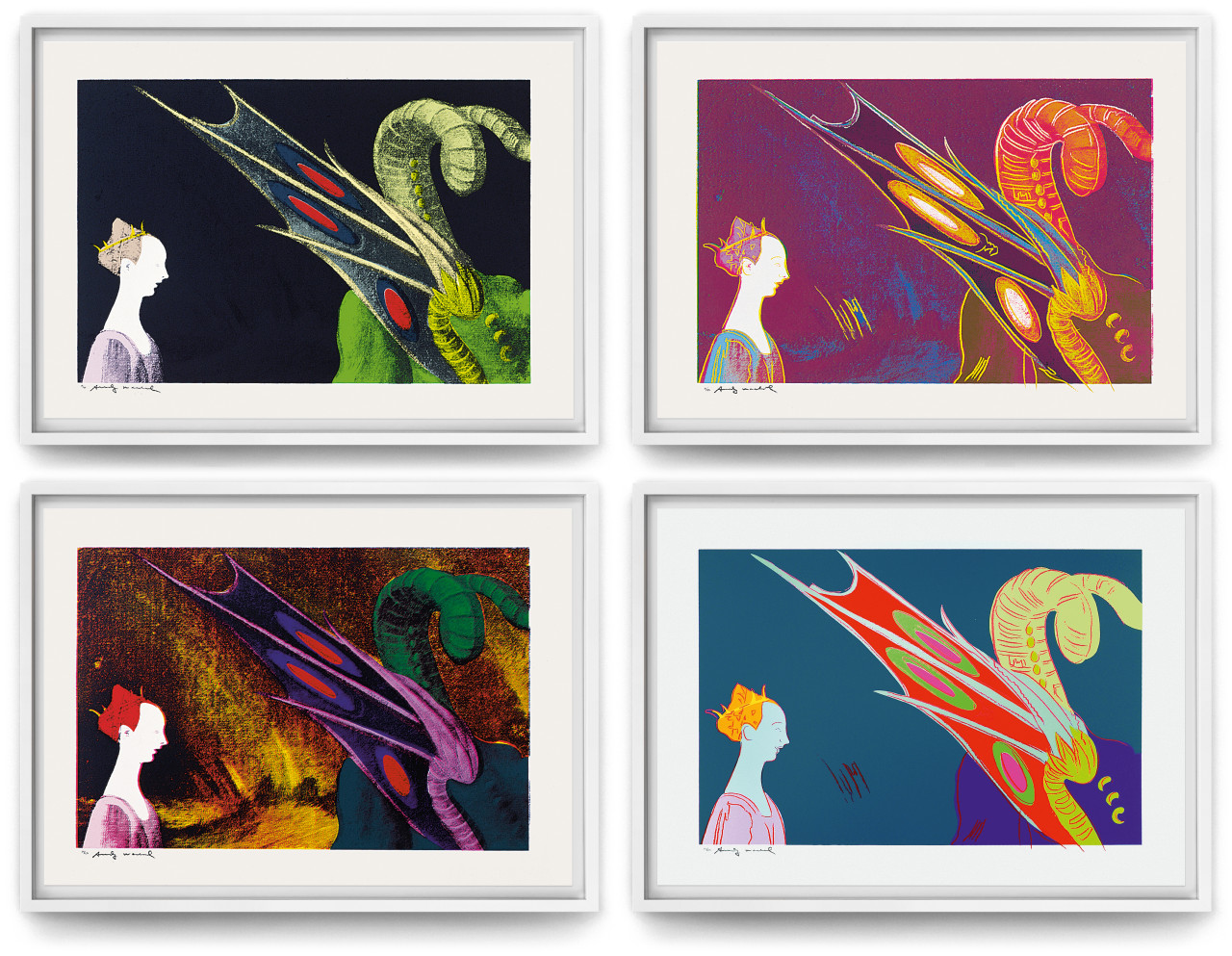
Andy Warhol
Paolo Uccello, St. George and the Dragon, 1460, 1984
Send request
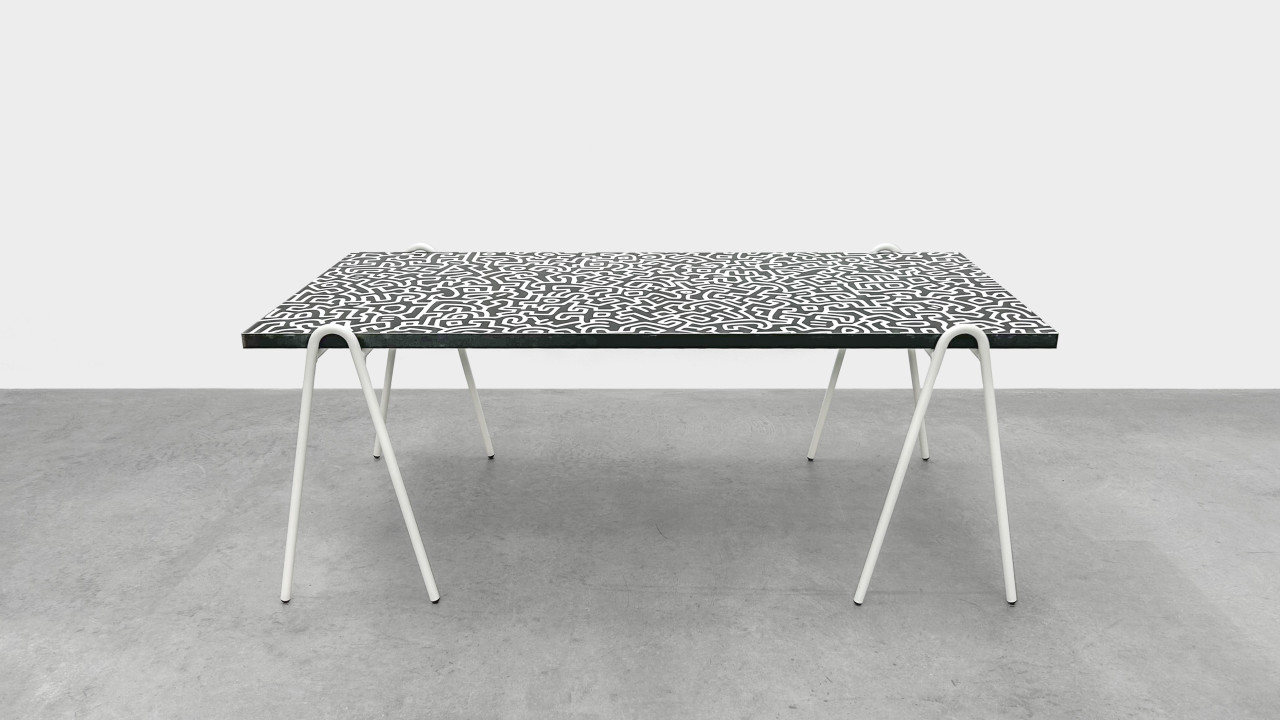
Keith Haring
Table Top, 2019/2025
EUR 8,000
Send request
What is pop art?
Pop art is an art movement that emerged in the 1950s and 1960s, characterized by its focus on popular culture and mass media. It draws inspiration from everyday objects, advertising, comic books, and celebrities, often using bright colors and bold imagery. Pop art challenges traditional fine art by celebrating consumerism and popular culture, blurring the line between “high” art and “low” culture. It often uses irony and parody to comment on society’s obsession with fame, consumption, and media.
Where to buy pop art prints online?
For collectors, buying pop art prints through renowned galleries or reputable dealers offers peace of mind, ensuring each work comes with verifiable provenance – a crucial consideration for resale value. Pop art prints and other limited edition artworks can often be purchased directly from the publisher, like Schellmann Art. This ensures that the work is in pristine condition and comes directly from the source. Our selection of pop art prints and objects includes works by Andy Warhol, Keith Haring, Richard Hamilton, and Larry Rivers.
Who are famous pop artists?
Some of the most famous pop artists include Andy Warhol, known for his iconic images of Marilyn Monroe and Campbell’s soup cans; Keith Haring, celebrated for his bold, graffiti-inspired imagery and vibrant public art; Roy Lichtenstein, famous for his comic strip-style paintings; and Richard Hamilton, considered one of the pioneers of the movement. These artists helped define pop art’s bold, colorful, and often playful style.
How did Andy Warhol influence pop art?
Andy Warhol was a central figure in shaping pop art by turning everyday commercial images into high art. He famously used techniques like screen printing to reproduce iconic symbols of consumer culture – such as Campbell’s soup cans, celebrities like Marilyn Monroe or cultural figures like Mao, Goethe, or Joseph Beuys – blurring the lines between mass production and unique artwork. Warhol’s work challenged traditional ideas about originality and art’s role in society, highlighting the growing influence of advertising, media, and celebrity culture. His approach made pop art accessible and relevant, influencing countless artists and shaping how we view consumerism and fame in art.
How did pop art culture impact the production of fine art prints?
Pop art culture had a huge impact on fine art prints by embracing commercial techniques like screen printing, which allowed artists to produce multiple copies of an image quickly and affordably. This approach challenged the traditional idea that fine art prints should be rare and handcrafted. Artists like Andy Warhol popularized using mass-production methods to create bold, colorful prints of popular culture icons, making art more accessible and blurring the lines between high art and commercial imagery. As a result, printmaking became a key medium in pop art, expanding creative possibilities and changing how prints were valued and collected.

